Eight ways into Europe.
Themes are how Undertourism thinks; geography is how travellers search. These are the eight editorial lines that organise the rest of the site, plus five more queued for Phase 2.
Live at launch.
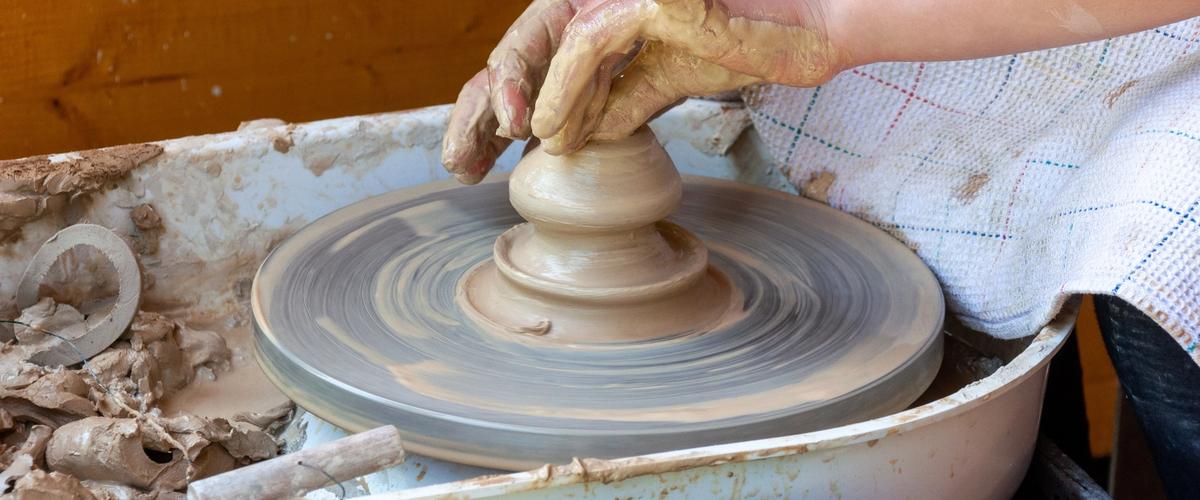
Craft Villages
One village, one craft, one continuous tradition — places where a single made thing still organises the working life of the whole community.
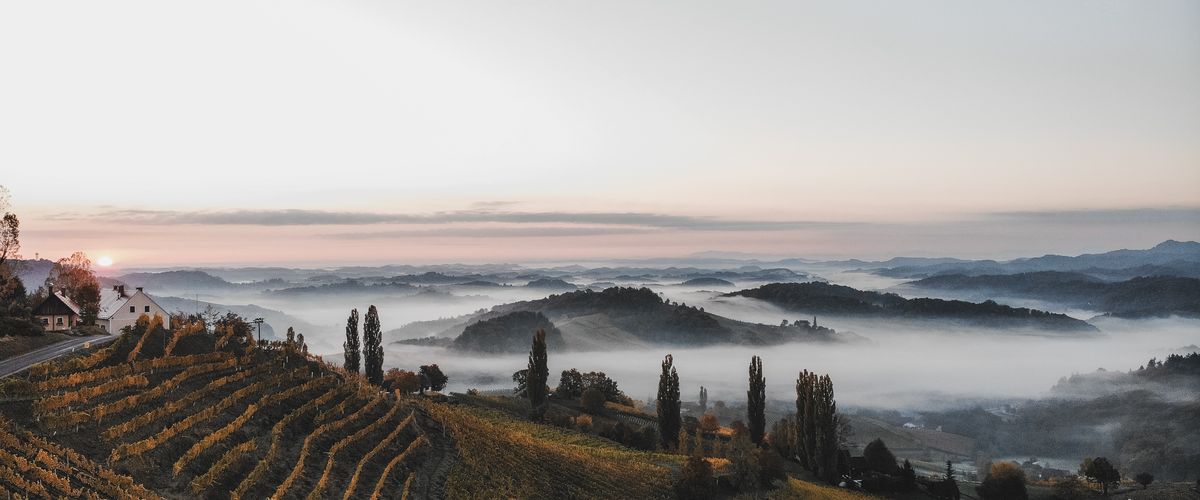
Lesser-Known Wine Regions
The wine map most travellers never open — border ridges and inland hills where small growers make distinctive bottles you cannot buy at home.
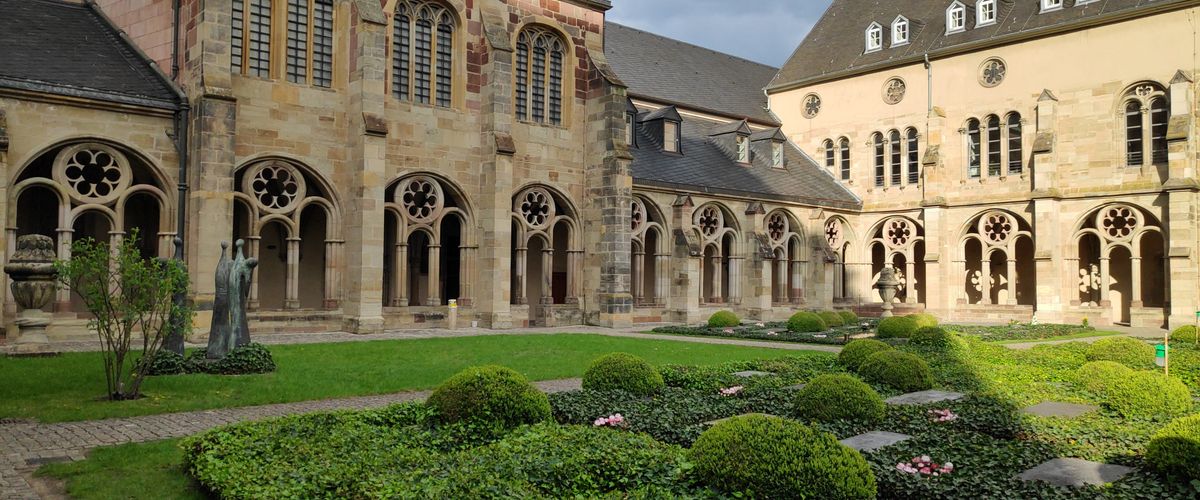
Monastic Europe
The contemplative map of the continent — abbeys, pilgrim roads and island hermitages that shaped European settlement long before tourism did.
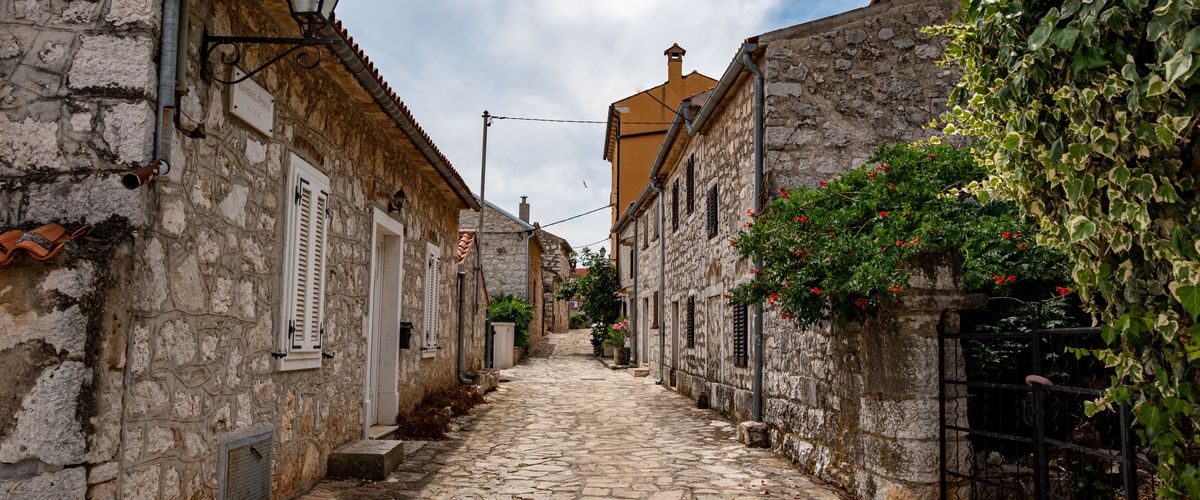
Mountain Villages Without Cars
Built before the car and, in the best cases, still indifferent to it. The upland village where the road runs out and the footpath begins.
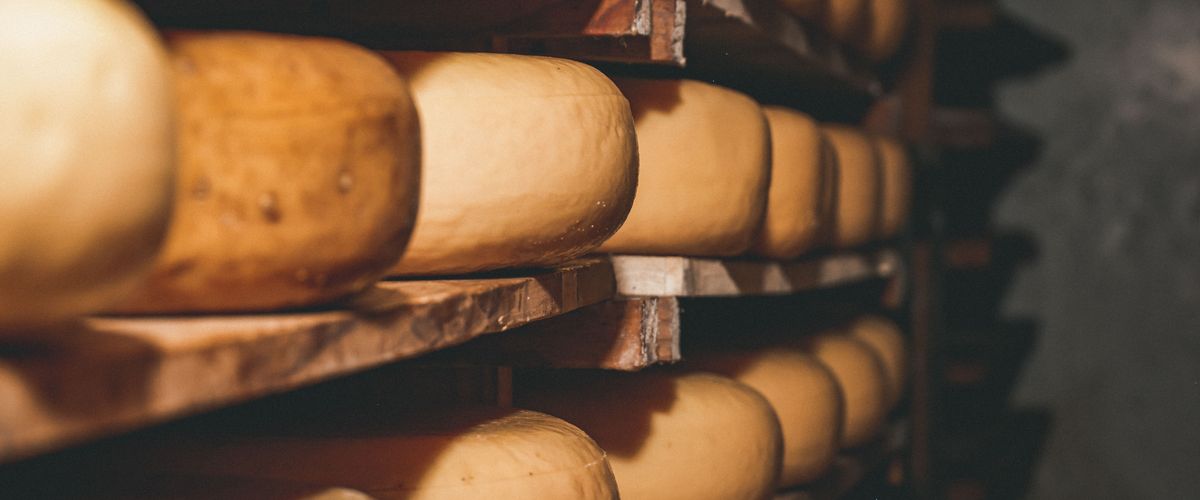
Slow Food Trails
Eat where the recipe has not changed in three generations. The food of undertouristed Europe is inseparable from the economy that keeps the place alive.
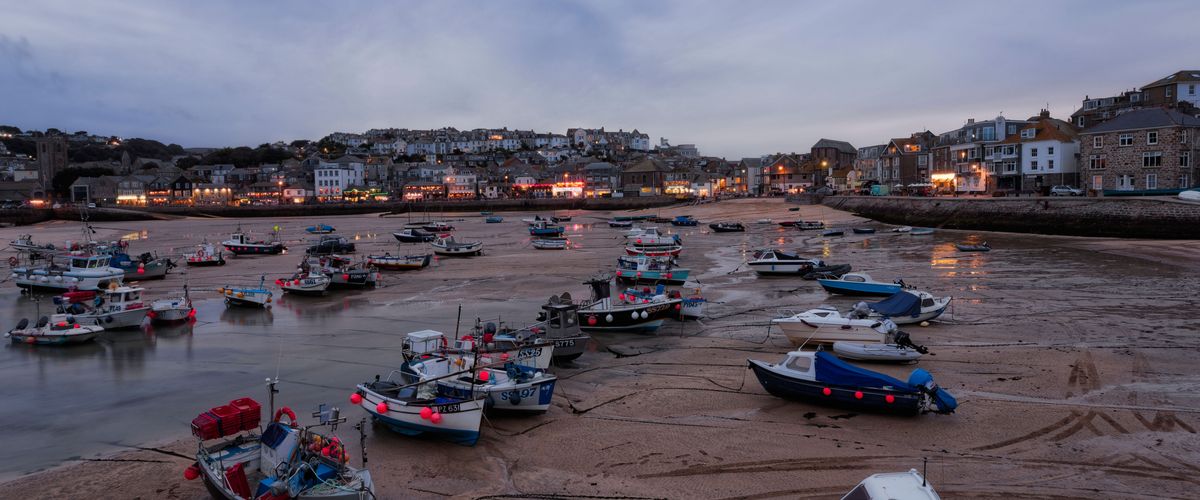
The Forgotten Coasts
There is far more European coastline than there are crowds. Most of it is working shore: ports, dunes, lagoons and lighthouses the postcard never reached.
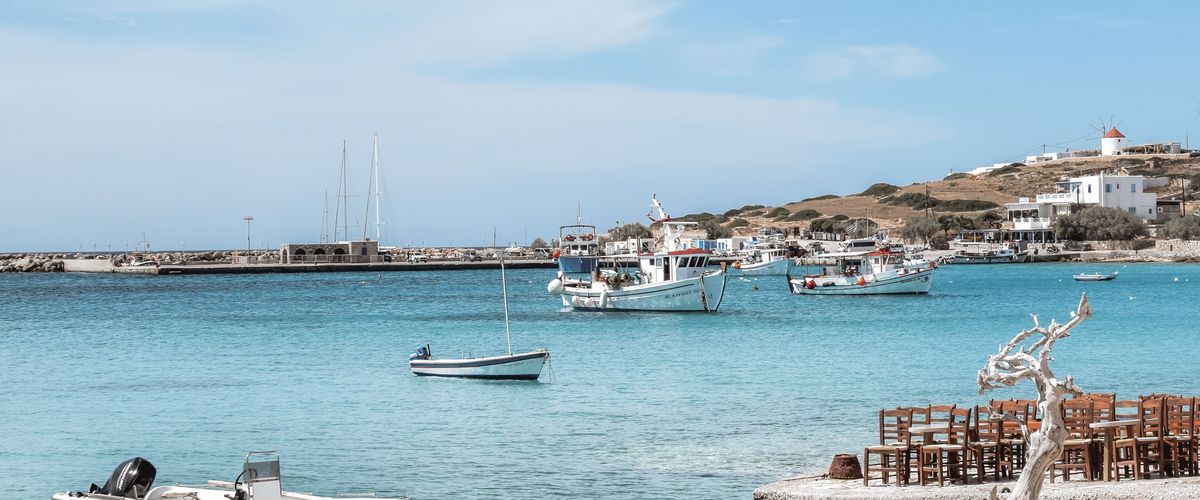
The Small Islands
Inhabited, reachable, overlooked. The small European islands that are neither resort nor wilderness, but a working community surrounded by water.
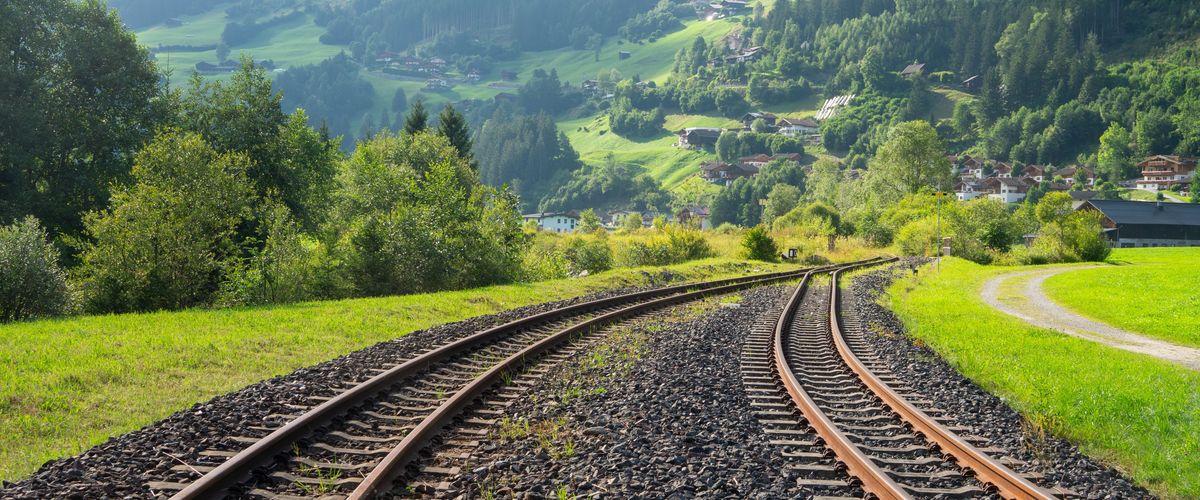
Train-Only Europe
The lesser-known half of Europe is, more often than not, the half the high-speed network skips. The slow train is not a constraint here. It is the method.
Queued behind the eight.
Each Phase 2 theme is real and ready editorially. They activate in Year 2, ideally each one paired with a specific commercial trigger — an EU-funded project, a major partnership, an editorial milestone.
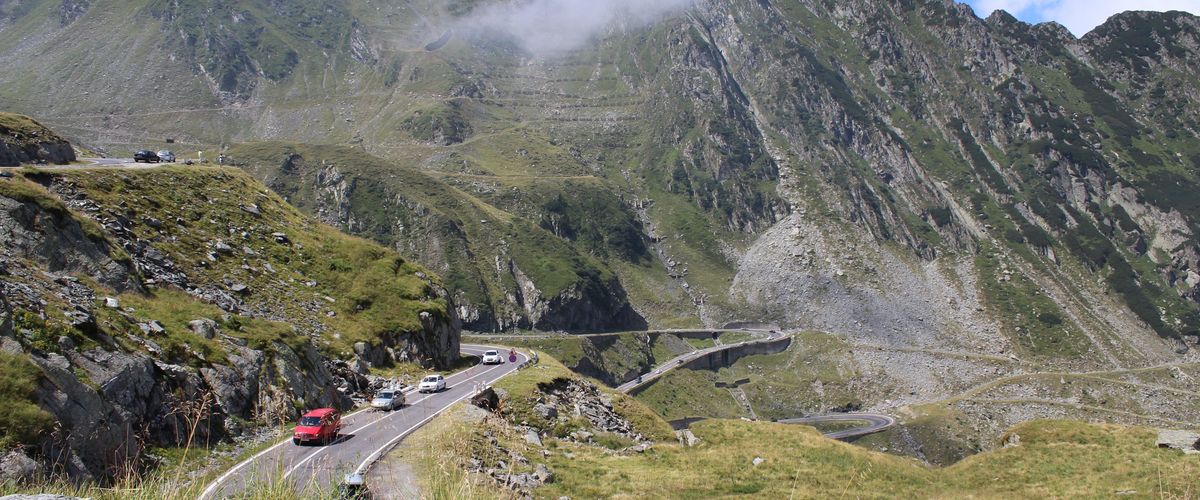
Border Country
Places defined by a frontier — where languages, kitchens and histories overlap, and where the most interesting parts of Europe are the seams.
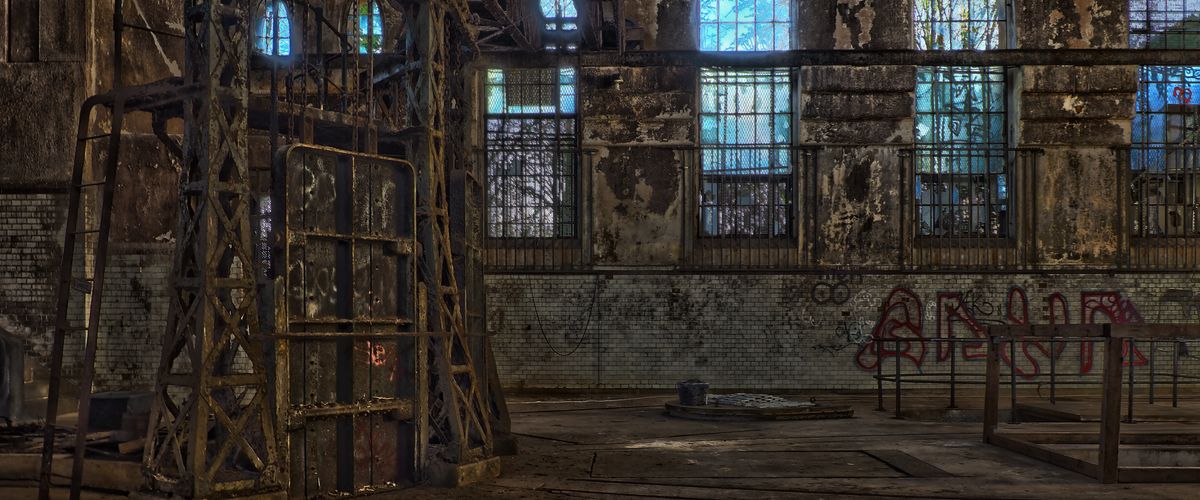
Post-Industrial Heritage
Mines, mills and railways given a second life — the places where Europe's industrial past became its most surprising thing to visit.
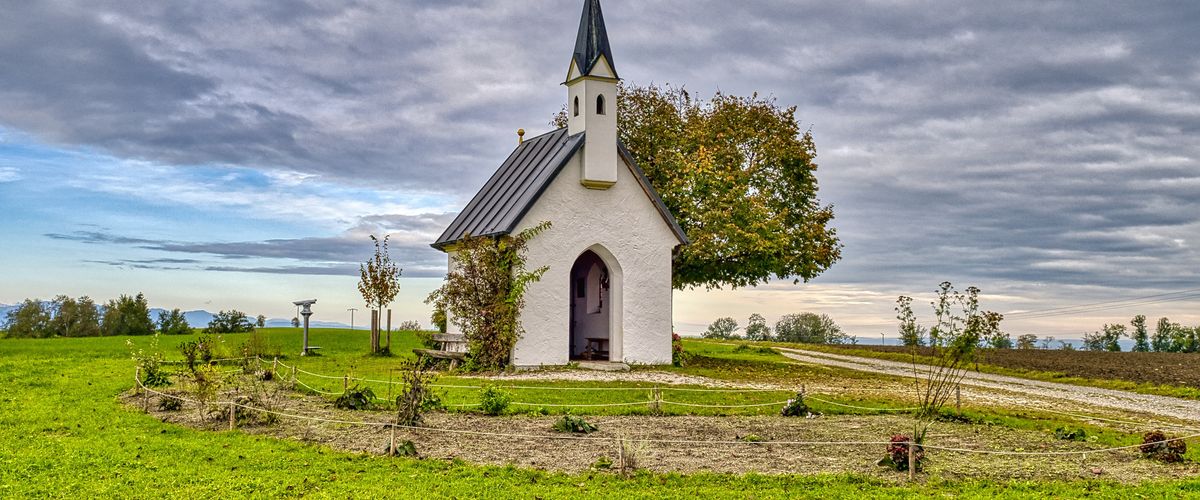
Sacred Landscapes
Places where geography and the sacred fuse: oracles, sanctuaries and mountains that people have treated as holy for three thousand years.
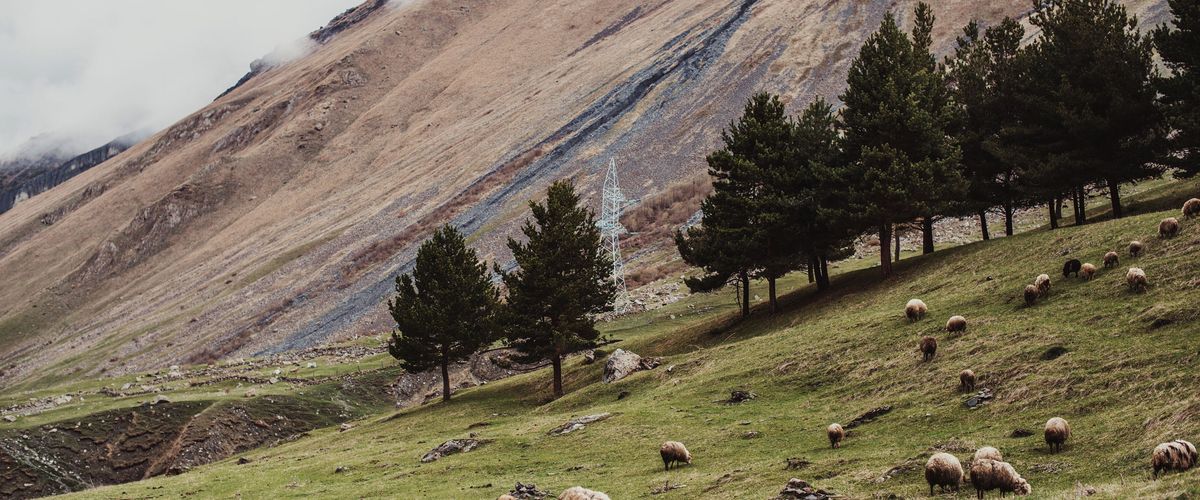
Transhumance Routes
The old roads of moving herds: drove ways, summer pastures and the pastoral cultures that walked Europe's mountains twice a year for millennia.
Silence
Places where quiet is a property of the landscape, not a promise on a brochure — verifiable, certified where possible, and honestly described.