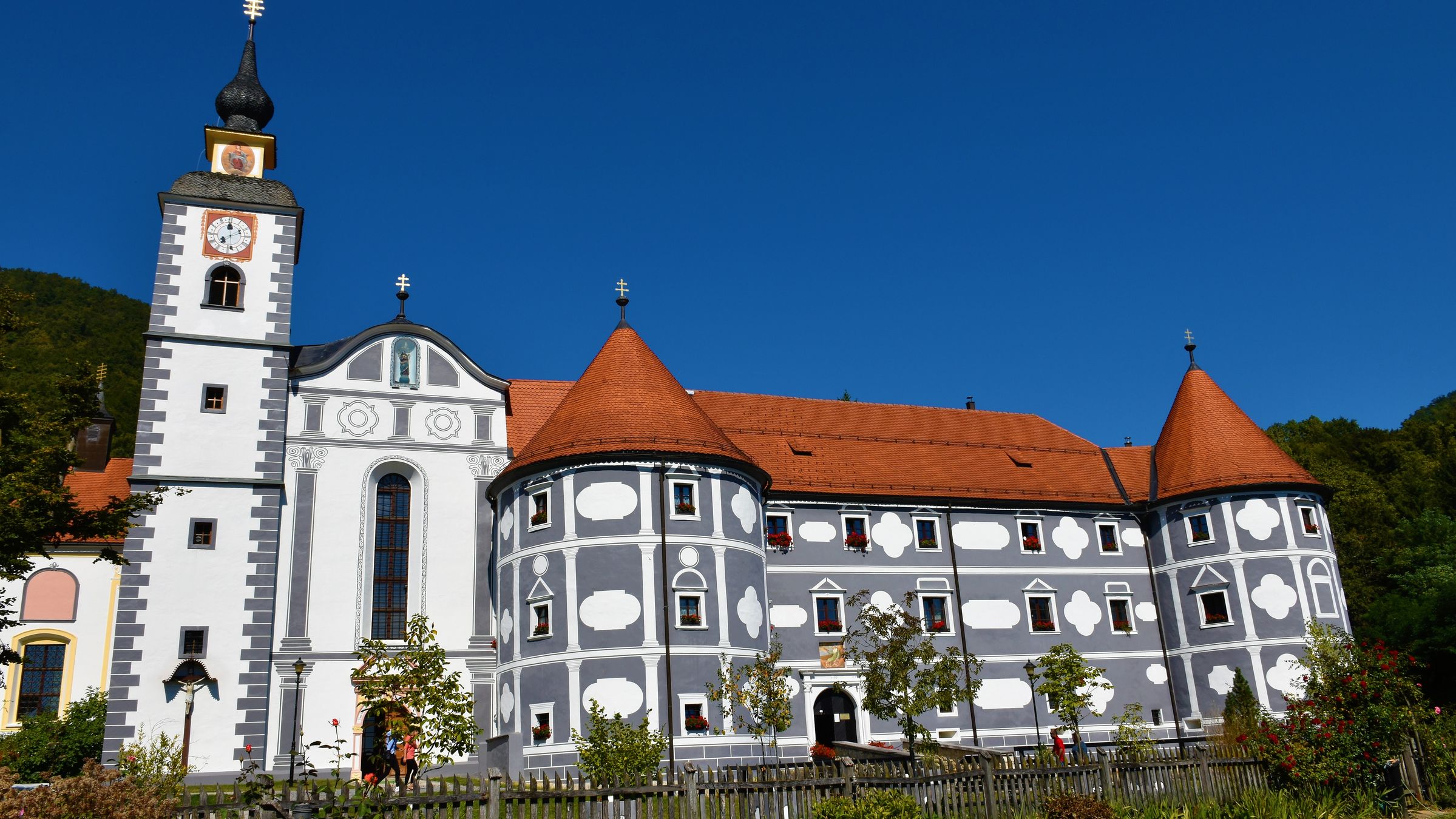
 Podčetrtek — Savinjska · Slovenia →Photo: kato08 / iStock
Europe, beyond
the queue.
A guide to the lesser-known half of the continent — for travellers who'd rather be somewhere quieter. Curated destinations, slow routes, and the voices of the people who live there.
80% of European tourism happens in 20% of the territory. We work on the rest.
A €59 case for the other Italy.
Italia in Tour: five days, second class, regional trains only.
In May 2026 Trenitalia put €59 on the table for five consecutive days of unlimited regional rail across Italy. The catch is the point: no Frecciarossa, no Italo, no Lombardy, no Cinque Terre, no Bolzano. What remains is the rail map of the other Italy.
We built a companion route that uses the pass end-to-end — Rome FCO to Verona through five towns the express trains will not take you.
The pass is sold only by Trenitalia — that link goes direct, no commercial relationship. The Trainline link is an affiliate link; it costs you nothing extra.
Three places worth knowing this season.

Arezzo
A working goldsmiths' city on the Florence–Rome line, holding a Piero della Francesca masterpiece: Renaissance Tuscany at a fraction of Florence's crowds.

Cividale del Friuli
Where Julius Caesar's marketplace became Italy's first Lombard duchy: a UNESCO town on an emerald river at the Slovene border.

Clonakilty
A West Cork market town built on black pudding, Michael Collins's birthplace, and a pub that drew Ireland's best traditional players for forty years.
Craft Villages.

One village, one craft, one continuous tradition — places where a single made thing still organises the working life of the whole community.
European villages and small towns whose identity and economy are still meaningfully shaped by a single living craft — ceramics, glass, lace, knife-making, wool, leather, paper, bell-founding, instrument-making.
Explore Craft Villages →The Côte d'Azur.
La Costa Azzurra: in from Ventimiglia along the Riviera di Ponente, then inland to the Lunigiana and Garfagnana — the door for France.
From Sanremo by regional train, then a slow loop through the chosen villages — built around local buses and a single shared taxi to bridge the missing kilometre.
Transport mode: Train + bus
Voices, methodology, news.
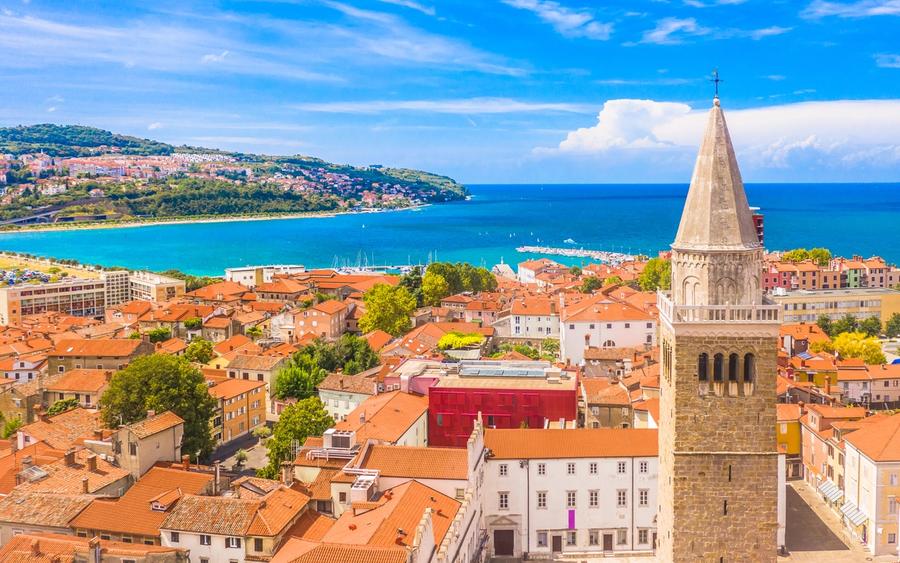
Alternative a Venezia: cinque città più tranquille sull’alto Adriatico
Nel centro storico di Venezia vivono meno di 48.000 persone, e nel 2023 ha registrato 9,1 milioni di presenze, escursionisti esclusi. Canali, ori bizantini e il leone di San Marco si trovano anche a un treno o un autobus di distanza.
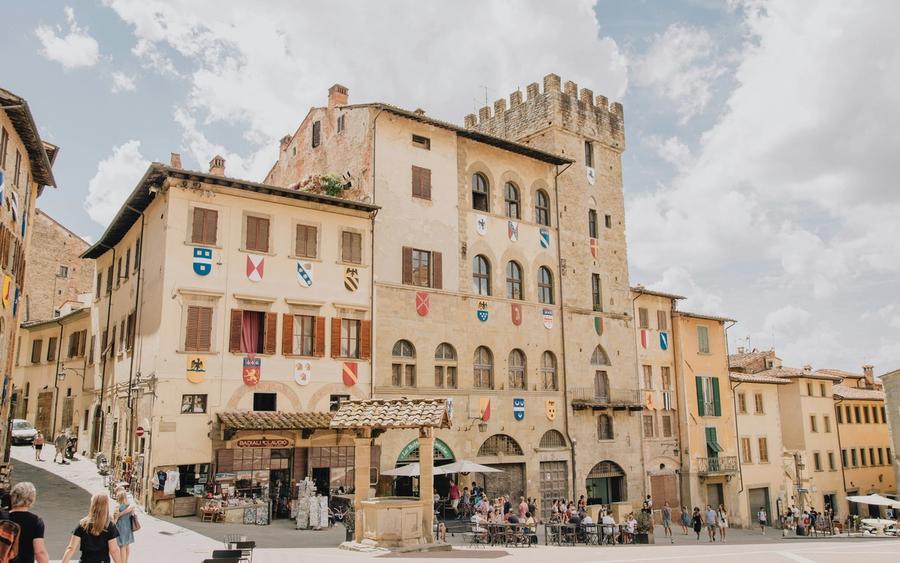
Toscana senza turisti: cinque alternative tranquille a Firenze
Nei primi dieci mesi del 2025 Firenze ha contato 9,7 milioni di presenze, più circa otto milioni di escursionisti giornalieri l’anno. L’arte rinascimentale, i borghi in collina e le valli verdi per cui si viene sono anche a portata di treno, su due linee in uscita dalla città.
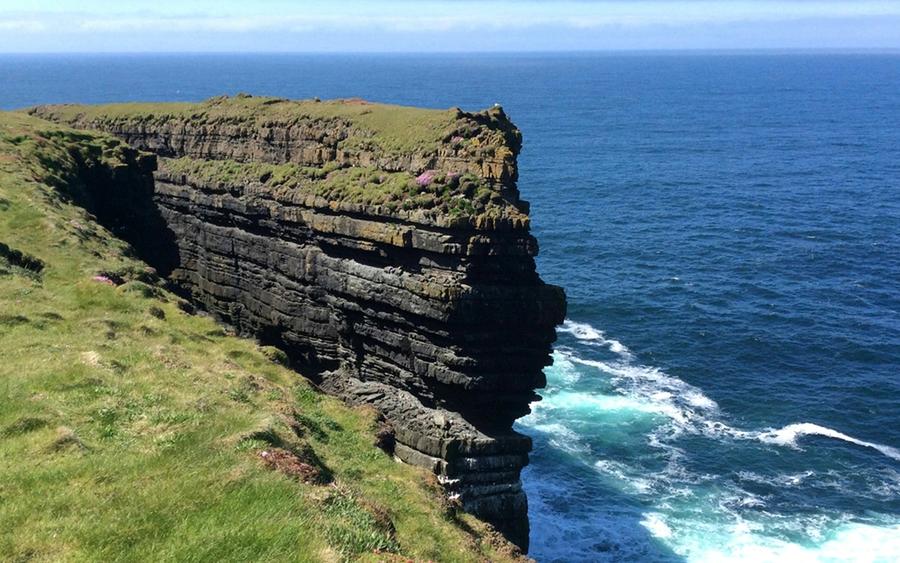
Alternatives to the Cliffs of Moher: quieter Atlantic cliffs and peninsulas in Ireland
The Cliffs of Moher had about 1.5 million visitors in 2025, more than the whole of County Clare gets in overnight tourists. The west coast has other cliffs, peninsulas and islands. Some are a bus ride from Ennis.